

When flood water reaches your floors, shut off the power from a dry spot, get the standing water out, and start drying right away. The EPA says that if you cannot dry your home within 24 to 48 hours, you should assume mold is growing. Then triage in order: safety first, water second, salvage third.
Flood water damages a floor in layers. It soaks the surface first, then the pad or underlayment, then the subfloor or slab underneath, and every hour it sits gives it time to reach the next layer.
Humid air makes that harder to stop. FEMA notes that drying a flooded home can take days or weeks depending on the humidity, which in New Orleans means open windows alone will not get you there.
At Big Easy Flooring, we repair, refinish and replace floors across the New Orleans metro, so we see flood-damaged floors after the water is gone. What happens in the first hours decides how much of yours is still worth keeping.
If the water is already out and you want to know which floors can stay, contact us and we will walk them with you.
Until then, here is what to do, in order.
What Should You Do First When Flood Water Reaches Your Floors?
Your floors can wait an hour. Your safety cannot. Deal with electricity, gas and the structure first.
- Shut off the power from a dry spot. The CDC says to turn off the main power only if you can reach it from a dry location. If you would have to stand in water to get to the breaker box, call an electrician. FEMA adds that a utility pulling your meter does not always cut the power.
- Leave if you smell gas. FEMA’s advice is to get out and call the gas company from a neighbor’s home.
- Check the structure before you walk in. Look for sagging ceilings and floors. The CDC says not to reenter a damaged home until a building inspector has examined it.
- Gear up. The EPA recommends an N-95 respirator at a minimum, plus goggles and protective gloves. If you must step into floodwater, the CDC says to wear rubber boots, rubber gloves and goggles.
- Watch your footing. FEMA warns that mud-covered floors and stairs can be very slippery.
Treat the water itself as contaminated. The CDC lists human waste and household, medical and industrial hazardous waste among the things floodwater can carry. The LSU AgCenter makes the same point plainly: flood water is contaminated with sewage.
Keep children out of the cleanup, as the EPA recommends, along with anyone who has asthma or a weakened immune system.
How Do You Get Water Off Your Floors and Start Drying?
 Speed matters more than anything at this stage. The EPA’s guidance is to dry your home and everything in it within 24 to 48 hours if you can.
- Remove standing water. Use a wet vacuum, a mop or a squeegee. FEMA warns that water should not sit for long on a floor built with particle board or other wood products that fall apart when wet.
- Pull up soaked carpet and pad. A wet covering traps water against the subfloor, so getting it out lets the layer underneath start drying.
- Open the house when the air outside is drier. FEMA recommends opening doors and windows when outdoor humidity is lower than indoor humidity, and closing up again when it is higher, such as at night.
- Run fans and dehumidifiers once the electricity is safe. The EPA recommends both, with one exception: do not run fans if mold has already started to grow.
- Dry underneath, not just on top. FEMA notes that air has to circulate below the floor as well. If your house is raised and the crawl space flooded, pump it out and pull any plastic sheeting, vapor barrier or insulation from under the floor until everything is dry.
On a humid day, a dehumidifier does work an open window cannot. If the air outside is as wet as the air inside, opening up removes nothing.
Clean before you disinfect. The LSU AgCenter recommends cleaning an exposed slab or subfloor with an all-purpose cleaner first, then disinfecting it as a separate second step. Never mix bleach with ammonia, which the EPA warns creates toxic vapors.
When Is Flood Damage Too Serious to Handle Yourself?
Some situations call for help before you lift a single board. Use this table to sort them.
| Warning Sign | Action |
|---|---|
| You would have to stand in water to reach the breaker box | Stay out of the water and call an electrician to shut off the power |
| You smell gas | Leave the house and call the gas company from a neighbor’s home |
| Floors sag or ceilings are bowing | Do not go back in until a building inspector has checked the structure |
| The water came from a sewer backup, storm surge or a rising river | Treat it as grossly contaminated and bring in a water damage restoration company |
| Floors stayed wet longer than 48 hours | Assume mold is growing, wear an N-95, and skip the fans until the mold is cleaned up |
| Your heating and cooling ducts were under water | Do not run central air or the furnace blower until the ducts are cleaned |
The source of the water changes the job. Under the IICRC S500 water damage standard, sewage, flooding from seawater and rising water from rivers or streams are all examples of Category 3 water, which the standard defines as grossly contaminated. For that kind of water, restorers working to the standard use contamination controls and worker protection.
Not every storm leak lands in that category. A February 2026 IICRC position statement clarified that wind-driven rain and other weather-related water are not automatically Category 3, and that the restorer sets the category after an inspection.
If you hire help for the water removal and drying, the EPA suggests looking for a firm certified by or affiliated with a body such as the IICRC.
Which Floors Can Be Saved After a Flood?
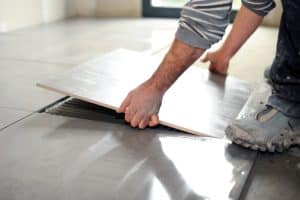 It comes down to what the floor is made of and how long contaminated water sat in it. Here is how the main types tend to fare.
Carpet and Padding
FEMA’s guidance is blunt: after getting wet, wall-to-wall carpet usually will not return to its former size and has to be thrown away. Cut it into strips small enough to carry, and watch the tack strips along the walls, which have nails pointing up.
There is one exception. FEMA says a wall-to-wall carpet soaked by clean rainwater can be left in place and dried. The pad is a different story, and the LSU AgCenter says wet foam pads should be discarded and replaced.
Solid Hardwood
Solid wood has the best odds. The LSU AgCenter says solid wood flooring can usually recover from flooding, and recommends removing a board every few feet to reduce buckling as the wood swells.
FEMA explains why patience pays here. A flood can push the moisture content of wood up to 30 percent, but wood allowed to dry naturally will usually go back to its original shape. Once it is dry, a floor may need re-nailing and a light sanding, and any boards that stayed cupped or rotted can be swapped out, which is the kind of hardwood floor repair and refinishing we do.
Engineered Wood and Laminate
Layered products have worse odds. The LSU AgCenter says engineered wood and laminate that swells or delaminates should be replaced. FEMA notes the same weakness in plywood, where layers dry at different rates and can separate.
That applies to the subfloor too. A plywood or particle board subfloor can swell, buckle or come apart, and pulling the finish floor may be the only way to let it dry.
Tile, Stone and Vinyl
Ceramic tile and stone set on a concrete slab may be cleaned in place, according to the LSU AgCenter. FEMA says tile, vinyl and linoleum should come up if they are warped, loose or sitting on a foam rubber pad.
Paper-backed sheet vinyl may need replacing if it discolors or loosens. Tiles that sound hollow after the slab dries have lost their bond, and lifting and re-bedding them is part of our tile repair work.
How Long Does It Take Floors to Dry After a Flood?
Longer than it looks. FEMA notes that drying all the wood in a flooded home may take days or weeks, depending on the humidity, and that materials look dry on the surface long before they are dry inside.
Two clocks run at once. The first is the EPA’s 24 to 48 hour mold window, which you beat by getting water out and air moving fast. The second is the slower clock of the subfloor or slab, which keeps giving up moisture well after the surface feels dry to your hand.
FEMA’s rule for that second clock is simple: do not lay new flooring or carpet until the subflooring is completely dry. A new floor laid over a wet base traps that moisture under it.
Confirming the base is dry takes measured readings, which we cover in our guide to moisture testing a New Orleans slab before new flooring.
Check for mold before you rebuild, too. The EPA says painting or caulking over mold will not stop it from growing, and if you can still see or smell mold, the cleanup is not finished.
Get Your Flooded Floors Assessed in New Orleans Before You Rebuild
Once the water is out and the house is drying, the next call is which floors stay and which go. Getting it wrong costs you either way.
Tear out a solid hardwood floor too early and you may lose boards that would have recovered. Lay new flooring too soon and you seal the water in.
At Big Easy Flooring, we repair, refinish and replace floors in homes across the New Orleans metro, and we will tell you plainly what is worth keeping.
Call (504) 305-8727 to have your floors looked at once the house is drying out.
Frequently Asked Questions
Can floors be saved after a flood?
Some can. Solid hardwood can usually recover if it dries naturally, and ceramic tile or stone on a concrete slab may be cleaned in place. Soaked wall-to-wall carpet, foam pads, and engineered wood or laminate that has swelled or delaminated usually have to be replaced.
Should I throw away carpet that got wet in a flood?
In most cases, yes. FEMA says wet wall-to-wall carpet usually will not return to its former size, and the EPA says to throw away anything wet with flood water that cannot be cleaned and dried completely within 24 to 48 hours. Carpet soaked only by clean rainwater can sometimes be dried in place.
How long do I have before mold grows on wet floors?
The EPA’s window is 24 to 48 hours. If you could not dry your home and its contents in that time, assume mold is growing and clean it up before you rebuild.
Will buckled hardwood floors go back down?
Often they will, with time. FEMA says wood allowed to dry naturally usually returns to its original shape, and the LSU AgCenter recommends removing a board every few feet to relieve the swelling. Boards that stay cupped or rot can be replaced once the floor is dry.
Is it safe to turn the power back on after a flood?
Not until an electrician has checked the electrical system, which is the CDC’s guidance.
Should I use fans or my air conditioner to dry flooded floors?
Fans and dehumidifiers help once the electricity is safe, but the EPA says not to use fans if mold has already started to grow. FEMA also advises against running central air or the furnace blower if the ducts were under water.
Can tile floors be cleaned after a flood?
Ceramic tile and stone set on concrete may be cleaned in place. Tile, vinyl or linoleum that is warped, loose or laid over a foam rubber pad should come up so the base can dry.
When can I put new flooring down after a flood?
Only when the subfloor or slab is completely dry, which FEMA says can take days or weeks depending on the humidity. Confirm it with measured readings before anything goes on top.