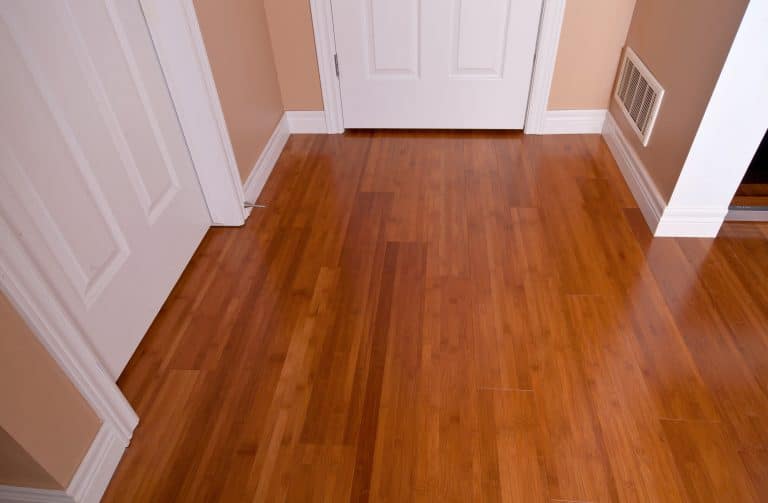
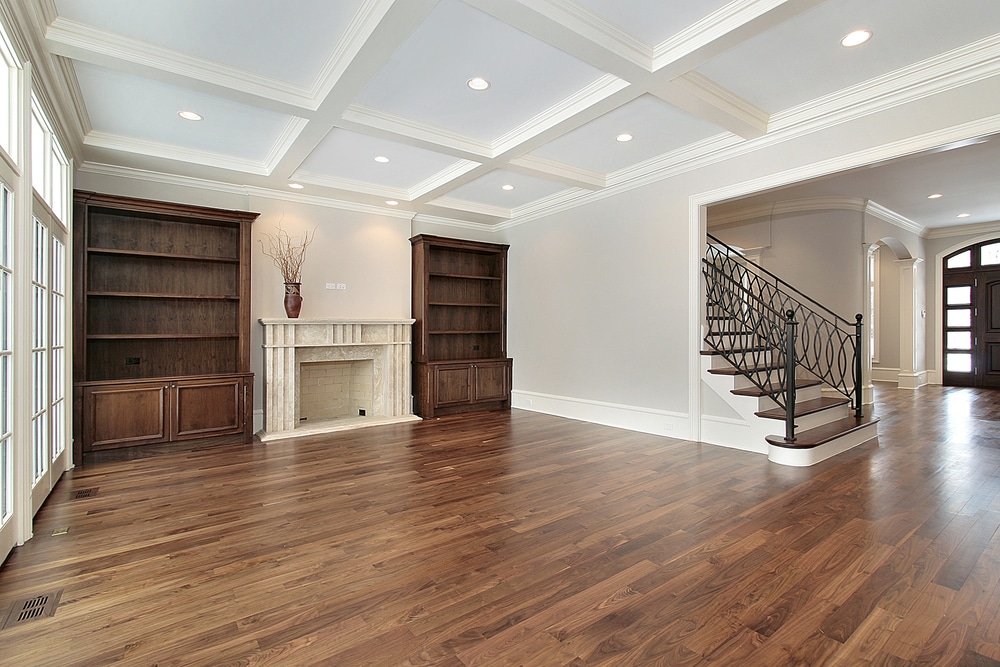
A flooring lifespan is the number of years a floor keeps looking and performing the way it should before it needs replacing. In New Orleans, that number depends on the material and on how much moisture the floor takes on from the air, the slab and the crawl space beneath it.
The most widely quoted figures come from a 2007 study by the National Association of Home Builders and Bank of America Home Equity. It lists natural wood floors at the life of the house, tile at 75 to 100 years, vinyl at 50, laminate at 15 to 25 and carpet at 8 to 10.
Those are national averages. The same study says lifespans depend on installation quality, maintenance, weather and climate, and how hard a floor is used, and New Orleans puts more weight on the climate part than most of the country does.
At Big Easy Flooring, we install hardwood, tile, vinyl and carpet across the New Orleans area, and humidity is part of every conversation about how long a floor will hold up.
This guide sets out what each material is expected to last, which ones handle humid air best, and what you can do to get the full life out of the floor you choose.
If you are deciding on a new floor and want to talk through the options for your home, contact us and we will help you compare them.
What Does Flooring Lifespan Actually Measure?
A lifespan figure is an average, not a promise. The NAHB study built its numbers from a 2006 telephone survey of manufacturers, trade associations and researchers, and it says plainly that its figures are averages.
The people surveyed stressed that maintenance has a large effect on how long a component lasts. They also noted that many floors are replaced for style reasons long before they wear out.
So a 50-year figure for vinyl does not mean every vinyl floor reaches 50. It means a well-made product, installed correctly and looked after, can reach that range under normal use.
Climate is one of the four factors the study names. In a city where the outdoor air stays damp all year, it is often the factor that decides whether a floor reaches the top or the bottom of its range.
How Does New Orleans Humidity Affect Each Type of Flooring?
The US Forest Products Laboratory publishes a Wood Handbook with a table showing how much moisture wood takes on when it sits in outdoor air in different cities. For New Orleans, the figure stays between 14.0 and 15.3 percent in every month of the year.
That is higher than many cities in the table. Dry inland cities such as Phoenix sit far lower for much of the year, which is why advice written for one climate does not always transfer to ours.
Each flooring type responds to that moisture in its own way.
Solid and Engineered Hardwood
Wood gains and loses moisture with the air around it, and it swells and shrinks as it does. The Wood Handbook says flooring is dried to the moisture content it will see in service so that shrinking and swelling are minimized and buckling or large gaps between boards do not occur.
The Handbook recommends an 8 percent average moisture content for interior flooring across most of the United States. For the damp, warm coastal area, the target is 11 percent, and its map places southern Louisiana inside that zone.
Get that match right, and wood can last a very long time here. The NAHB study lists natural wood floors at the life of the house and engineered wood at 50 years or more. Our hardwood flooring service page has more on what we install.
Laminate and Vinyl
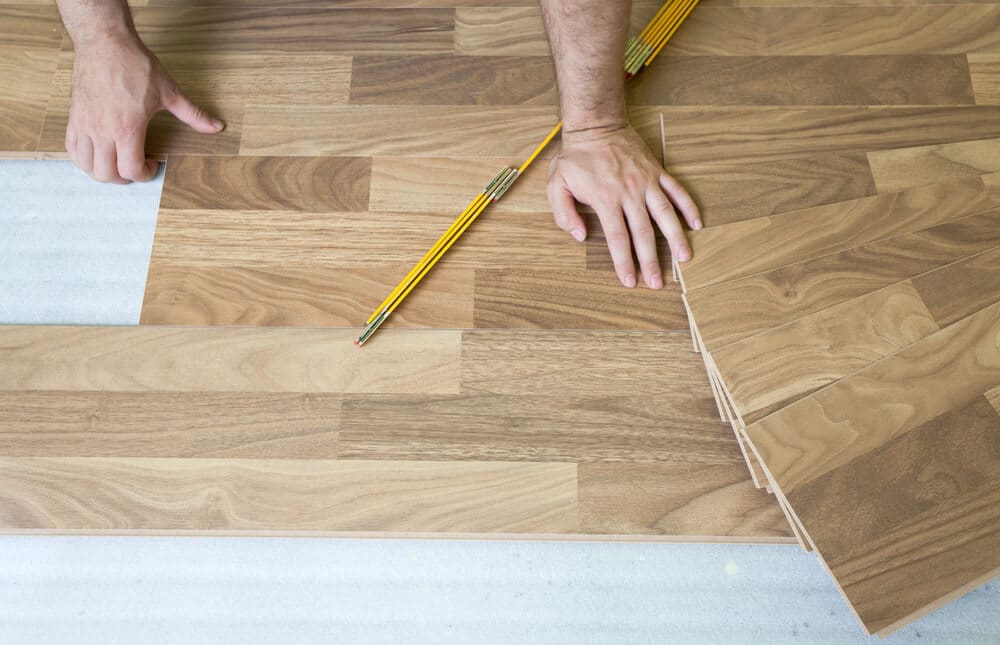 Laminate is tested for exactly the weakness humid homes expose. The industry standard, ANSI/NALFA LF-01, includes a thickness swell test in which a sample is submerged in water for 24 hours, and passing it is required for the North American Laminate Flooring Association certification seal.
The NAHB study gives laminate 15 to 25 years and vinyl up to 50. If you are weighing laminate, our post on the pros and cons of laminate floors in New Orleans goes into the tradeoffs.
Because neither product is solid wood, the Wood Handbook’s moisture targets do not apply to the planks themselves. What still matters is the condition of the slab or subfloor underneath and how quickly any spill or leak gets dried.
Tile, Stone and Carpet
 Hard materials carry the longest figures in the study. Tile is listed at 75 to 100 years, slate at 100, and marble and granite at 100 or more, though the study notes that stone can last less when it is not maintained.
Carpet sits at the other end at 8 to 10 years, with appropriate maintenance and normal traffic. Humidity is a bigger issue for carpet than for the hard surfaces, because the EPA lists the underside of carpets and pads among the places where mold can hide.
The EPA also notes that porous materials such as carpet may have to be thrown away once they become moldy. In a damp house, that can end a carpet’s life well before the fibers wear out.
Which Flooring Type Lasts Longest in a New Orleans Home?
On the national figures, natural wood, stone and tile last longest, followed by vinyl, engineered wood, linoleum, laminate and carpet. Here is how the NAHB study ranks the common types:
- Solid hardwood: the life of the house (100 years or more)
- Marble, granite and slate: about 100 years or more
- Tile: 75 to 100 years
- Engineered wood: 50 years or more
- Vinyl: up to 50 years
- Linoleum: about 25 years
- Laminate: 15 to 25 years
- Carpet: 8 to 10 years
In New Orleans, the order mostly holds, but the gaps between materials narrow or widen depending on the room. A tile floor in a bathroom handles moisture that would shorten the life of carpet in the same space.
A hardwood floor laid at the wrong moisture content can buckle or open gaps between boards, as the Wood Handbook warns, while the same boards installed to suit the coastal target can last the life of the house. That is why installation and moisture control matter as much as the headline number.
Our tile flooring service covers the porcelain and ceramic options we install for wet rooms and high-traffic areas.
How Can You Make Any Floor Last Longer in New Orleans?
Most of what extends a floor’s life here comes down to controlling moisture before, during and after installation. Three habits make the biggest difference.
Indoor Humidity Control
The EPA recommends keeping indoor humidity below 60 percent, ideally between 30 and 50 percent. Holding the house in that range helps limit both wood movement and mold under carpet and pads.
Air conditioning does much of that work in a New Orleans summer. The Wood Handbook notes that in air-conditioned buildings, moisture conditions depend largely on the proper sizing of the air-conditioning equipment, so a system that cools without removing enough moisture can leave floors damp.
Installing at the Right Moisture Content
The Wood Handbook’s core instruction is to install wood at the moisture content it will experience in service. That limits how much it moves once it is down. Our guide on how to prepare your home for flooring installation week covers the steps you can take at home before the flooring arrives.
It also warns that wood over a crawl space or in a basement may run wetter than the recommended range. Many New Orleans homes sit over a crawl space or on a slab, which is why our post on slab and crawl space moisture is worth reading before you choose a floor.
Older homes add their own layer. If you are restoring old boards rather than replacing them, our guide to refinishing original hardwood in a historic home explains what to look for first.
Drying Spills and Leaks Fast
The EPA says water-damaged areas and items should be dried within 24 to 48 hours to prevent mold growth. When wet materials are dried within that window, mold in most cases does not grow.
That timing matters most for carpet and for wood, but it applies to the subfloor under every material. For routine care, our guides on keeping tile floors clean for longevity and maintaining carpet flooring cover the day-to-day side.
Where New Orleans Homeowners Should Start
A flooring lifespan is set partly at the factory and partly in your home. The national figures are a fair starting point, but in a climate this damp, the moisture under and around a floor often decides whether it reaches the top of its range.
The best first step is to match the material to the room and to the moisture conditions that room actually has, then install it to suit them.
At Big Easy Flooring, we help homeowners across the New Orleans area choose and install floors built for the conditions they will live in, from hardwood and tile to carpet flooring and vinyl. Call us today at (504) 305-8727!
Frequently Asked Questions
Which type of flooring lasts the longest?
Natural wood, stone and tile carry the longest lifespans in the NAHB and Bank of America Home Equity study. Natural wood floors are listed at the life of the house, marble and granite at 100 years or more, slate at 100 years and tile at 75 to 100 years. The study notes that stone can last less when it is not maintained, and that every lifespan depends on installation, maintenance, climate and how heavily the floor is used. In a humid city like New Orleans, controlling moisture is what lets a long-lived material actually reach those numbers.
Which lasts longer, laminate or vinyl?
On the NAHB study’s figures, vinyl lasts longer. It lists vinyl at up to 50 years and laminate at 15 to 25 years. These are national averages built from a survey of manufacturers, trade associations and researchers, so a particular product can fall above or below them. Laminate’s main weakness is water, which is why the ANSI/NALFA LF-01 standard includes a test that submerges a sample for 24 hours to measure how much it swells. Passing that test is required for the North American Laminate Flooring Association certification seal.
What type of flooring holds up best in high humidity?
Tile and stone hold up best in high humidity, because they carry the longest lifespans in the NAHB study and are not wood or fiber. Tile is listed at 75 to 100 years, with marble and granite at 100 years or more. Wood can also last a lifetime in a humid climate when it is installed at the moisture content it will see in service. The Wood Handbook sets an 11 percent target for interior flooring in the damp, warm coastal area, a zone its map extends across southern Louisiana.
Does air conditioning help a wood floor last in New Orleans?
It can, when the system is sized correctly. The Wood Handbook says that in air-conditioned buildings, moisture conditions depend largely on the proper sizing of the air-conditioning equipment. A unit that removes enough moisture keeps the indoor air drier than the outdoor air, which in New Orleans holds wood at about 14 to 15 percent moisture year-round. The EPA’s guidance to keep indoor humidity below 60 percent, ideally 30 to 50 percent, gives you a target to check with a simple humidity meter.
How quickly does a wet floor need to dry?
The EPA says water-damaged areas and items should be dried within 24 to 48 hours to prevent mold growth. When wet materials are dried within that window, mold will not grow in most cases. Speed matters most with carpet and pads, which the EPA notes may have to be thrown away once they become moldy. For bigger events such as a storm or a plumbing failure, the first steps are different from routine drying, and our guide on what to do when flood water reaches your floors covers them.
What indoor humidity level is best for floors?
The EPA recommends keeping indoor humidity below 60 percent, ideally between 30 and 50 percent. That range limits mold growth and keeps wood flooring closer to the moisture content it was installed at. For wood floors in coastal areas, the Wood Handbook recommends an 11 percent average moisture content at installation, compared with 8 percent across most of the country. Checking the house with an inexpensive humidity meter in summer is an easy way to see whether your air conditioning is keeping up.
Is engineered hardwood a good fit for a New Orleans home?
Engineered hardwood is a reasonable option for many New Orleans homes. The NAHB study lists engineered wood at 50 years or more, against the life of the house for solid wood. Both are wood, so both are affected by the moisture in the air and in the floor beneath them. The Wood Handbook warns that wood over a crawl space or in a basement may run wetter than the recommended range, so checking the moisture of the slab or crawl space before you choose matters as much as the product itself.
How long does carpet last in a humid house?
The NAHB study lists carpet at 8 to 10 years with appropriate maintenance and normal traffic. Humidity can shorten that. The EPA lists the underside of carpets and pads among the places where mold can hide, and notes that porous materials such as carpet may have to be thrown away once they become moldy. Keeping indoor humidity below 60 percent and drying any spill or leak within 24 to 48 hours are the two habits that do the most to help carpet reach its full lifespan.