
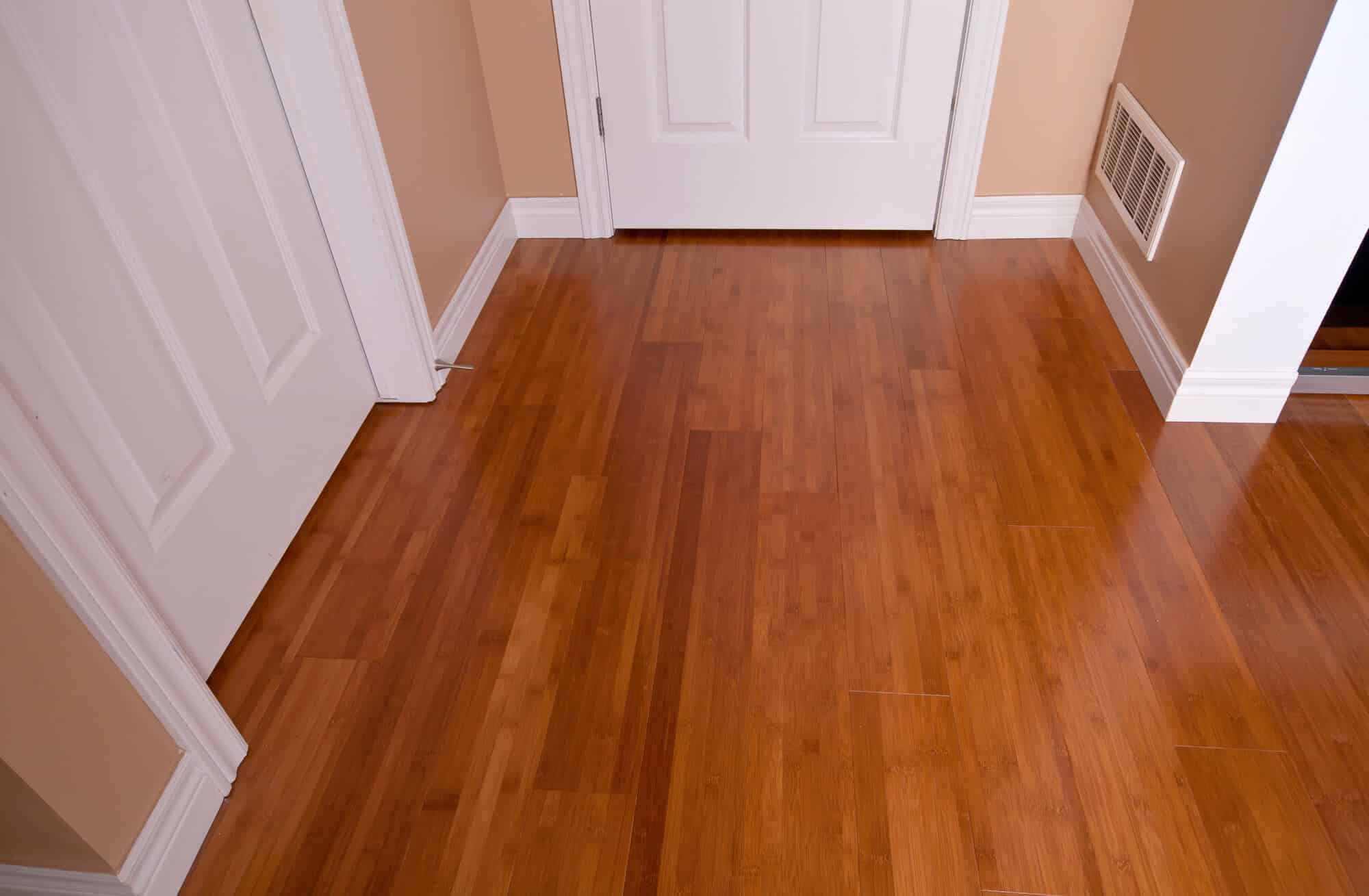
If new floors are on your calendar, a good part of how the week goes is settled before anyone carries in a box. The air conditioning, the furniture, the place the flooring will sit and the age of the house all shape it.
Age matters more here than in most places. The Census Bureau’s 2020 to 2024 American Community Survey estimates that about 74 percent of housing units in Orleans Parish were built before 1980, and 31 percent were built in 1939 or earlier.
At Big Easy Flooring, we install hardwood, tile, vinyl and carpet in homes across the New Orleans area, and every job starts with a free on-site measure and a written quote.
That visit is the right time to sort out the prep, because much of it falls to the homeowner.
This guide walks through six steps you can take in the week or two before installation, from the questions to settle first to the first days on the new floor.
If you are planning new floors and want to set a date, contact us and we will help you plan the week around your household.
The US Forest Products Laboratory’s Wood Handbook lists the practices that keep flooring from cracking, and one of them is blunt: install the heating plant before flooring is delivered. In a New Orleans house, the system holding the indoor air steady for most of the year is the air conditioning, so it needs to be running before the boxes arrive.
What Does a Floor Need From Your House Before Installation Day?
A floor needs three things from the house: a steady indoor climate, empty rooms and a clear picture of what is under the old floor.
The climate part is the one people underestimate. The Wood Handbook says cracks develop in flooring if the material takes up moisture before or after installation and then shrinks.
The Conditions Flooring Manufacturers Write Into Their Instructions
Every product comes with installation instructions, and the conditions they set vary. Two lines from one manufacturer show the gap.
- Shaw hardwood: the HVAC system must run before and during installation, holding 65 to 75 degrees and 35 to 55 percent humidity
- Shaw Floorte waterproof vinyl: acclimation is not required, but the floor should go into a climate-controlled room between 55 and 85 degrees
So the right prep for a vinyl flooring installation is not the same as the right prep for solid wood. A fixed rule such as “let it sit for two days” can be too much for one product and not enough for another.
In plain terms: the instructions for the exact product going into your home decide the conditions. Ask for them when you choose the floor, and keep them somewhere you can find them.
Step 1: Settle Who Handles What Before the Date Is Set
The Carpet and Rug Institute advises homeowners to understand which services the installer will provide and which prep work they need to handle themselves. That advice fits every floor type, not only carpet.
Shaw makes a similar point about vinyl. Moving furniture and removing old flooring may be provided by the installer, but they may not be included in the initial installation price.
Questions worth settling in writing before the date is set:
- Furniture: who moves it, and is there a separate charge for that work?
- The old floor: who removes it and who disposes of it?
- Material: who supplies the flooring, and when will it be delivered?
- Other trades: are painters, plasterers or cabinet installers working in the same rooms?
- Timing: how many days will the rooms be out of use?
On our flooring installation service page, removing and disposing of the existing floor is listed as one of the things that changes the price, and we quote it as a line item rather than leaving it out.
The other trades question matters more than it looks. The Carpet and Rug Institute recommends finishing projects such as painting or wallpapering before new carpet goes in.
The Wood Handbook says the same about wood: have flooring delivered after masonry and plastering are completed and fully dry, unless a dry storage space is available. Wet work and new floors should not share a week.
Step 2: Check the Age of the House and What Is Under the Old Floor
In an older New Orleans house, two materials deserve a look before demolition: old paint and old resilient flooring.
Lead paint: the EPA estimates that about three-quarters of US homes built before 1978 still contain some lead-based paint. New floors often mean taking off shoe molding or baseboards, and painted trim is exactly the kind of surface the agency’s rules cover.
Louisiana is not on the EPA’s list of states that run their own lead renovation program, so the federal program the EPA administers is the one that applies here. The EPA recommends that homeowners hire a lead-safe certified contractor for this work in a pre-1978 home.
If you are keeping and restoring old boards instead of replacing them, our guide to refinishing original hardwood in a historic home covers painted borders and trim in more detail.
Old vinyl tile and sheet flooring: the EPA lists vinyl floor tiles, the backing on vinyl sheet flooring and the adhesives used with them among the places asbestos may be found. It also says you generally cannot tell whether a material contains asbestos by looking at it, unless it is labeled.
The EPA’s guidance on suspect flooring is plain:
- Do not sand it or try to level it, and do not take samples yourself
- If it needs replacing, covering it with new flooring is the first option the EPA suggests, if possible
- Removal must be done only by a trained and accredited asbestos professional
If you find old tile under carpet or vinyl in a house of this age, mention it before the job is scheduled.
Step 3: Get the Air Conditioning Running Before the Flooring Arrives
The Wood Handbook puts the heating plant before delivery for a reason: the house should already be at living conditions when the flooring comes through the door.
Shaw’s hardwood guidance asks for the HVAC system to stay on before and during installation. If the house is empty during a renovation, that means not switching the system off to save money while you are away.
A few habits help the house hold steady:
- Set the thermostat to the range you normally live in and leave it there
- Keep exterior doors and windows closed, especially on damp days
- Fix any system problem before the delivery date, not during installation week
- Keep it running after the floor is down, too
That last point comes straight from the Wood Handbook. If the house is not occupied right after the floor is laid, it advises keeping the house closed at night or during damp weather.
On a slab or over a crawl space, moisture can also come from below. Our post on slab moisture testing in New Orleans homes explains why readings taken in a house with the air conditioning off can mislead.
Step 4: Give the Flooring a Dry Place to Sit
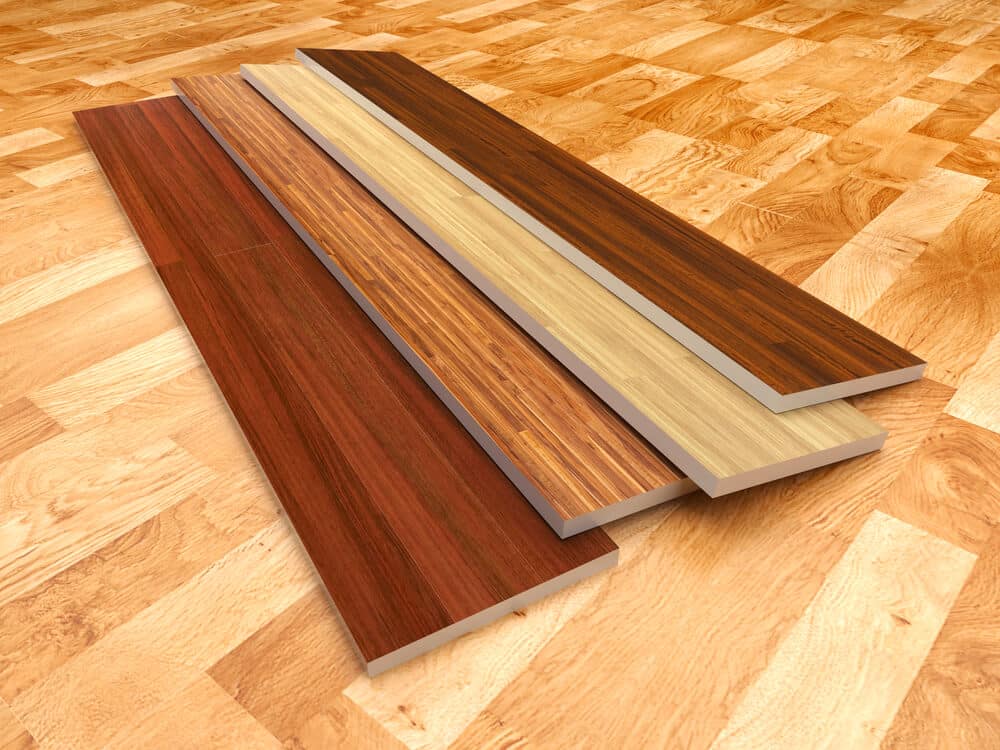 The Wood Handbook says flooring should be stored in a room where relative humidity is controlled. In practice, that means inside the conditioned part of the house, not in the garage, on a porch or under a carport.
Before delivery day, clear a space for the boxes. A spare room or the end of a hallway outside the work area works well, as long as the air conditioning reaches it.
For wood, the Handbook goes further. It describes breaking open flooring bundles so all sides of the boards are exposed to the air inside the house, which takes more floor space than a neat stack of boxes.
How long the material sits depends on the product. A hardwood flooring installation follows the wood maker’s instructions, while Shaw says its Floorte vinyl needs no acclimation at all, only a climate-controlled room.
When the delivery arrives, take a few minutes to check it. The Carpet and Rug Institute suggests inspecting new carpet’s texture, color and style for visible defects before installation, and the same check works for any floor:
- Product name and color: do they match the order?
- Quantity: does the box count match the quote?
- Damage: are there crushed corners, wet cartons or torn wrapping?
Humidity does not stop mattering once the floor is down. Our guide to how long each flooring type lasts in New Orleans humidity covers the long-term side.
Step 5: Empty the Rooms and Clear the Way In
 Shaw’s vinyl guidance is direct: before the installers arrive, you will need to clear the room of all furniture and belongings. For large or heavy pieces, it suggests getting help or hiring professional movers.
The Carpet and Rug Institute adds two details that are easy to miss. Remove every breakable item from the area, and detach and store the wiring from TVs, stereos and computers.
A room-by-room pass the weekend before helps:
- Furniture and rugs: out of the work rooms, including closets if the new floor runs into them
- Wall items: pictures and mirrors near the floor line can be knocked during the work
- Electronics: unplugged, wiring labeled and stored
- Valuables and paperwork: moved somewhere the crew will not need to go
- The path in: a clear route from the street to the work rooms for materials and tools
The same institute also recommends vacuuming the old flooring to reduce airborne dust and dirt.
Step 6: Plan for Fresh Air, Pets and the First Days on the New Floor
The Carpet and Rug Institute says it is the homeowner’s responsibility to provide an adequate supply of fresh air during carpet installation. It suggests opening windows and doors, using an exhaust fan or running the fan of the heating or air conditioning system.
On a muggy day, the exhaust fans and the system fan are the better choice, since they move air without opening the house to damp outdoor air. The institute says the new carpet smell usually clears in less than 72 hours.
Pets and children are easier to manage with a plan. Decide which rooms stay open, where pets will spend the work days and how everyone will reach the kitchen and a bathroom while rooms are closed off.
Also plan the timing. Shaw notes that a hardwood job without much subfloor prep may take only a day or two, while a more involved project may take several days or longer.
When the work is done, a few habits protect the new surface:
- Put felt pads under furniture legs before anything goes back, as Shaw recommends
- Lift heavy pieces into place instead of sliding them
- Use drapes or blinds during peak sunlight hours, which Shaw’s Floorte guidelines recommend
- Keep the product instructions and a few spare pieces for future repairs
Our guide on protecting hardwood floors from scratches and wear covers the longer-term care.
Plan Your Installation Week With a New Orleans Flooring Team
A smooth installation week is mostly a planning job. Settle who does what, check what is under the old floor, keep the house conditioned and give the material a dry place to wait.
The details change with the house and the product. A slab home with new vinyl needs a different week from a raised 1920s house getting solid wood, and the instructions for your exact floor have the final say.
At Big Easy Flooring, we install hardwood, tile, vinyl and carpet flooring across the New Orleans area, and we start with a free on-site measure so the prep is clear before the date is set.
To book that visit and plan your week, call us at (504) 305-8727.
Frequently Asked Questions About Preparing for Flooring Installation
How long before installation should the air conditioning be running?
It should be running before the flooring is delivered and stay on through installation. The Wood Handbook lists installing the heating plant before delivery among its practices for avoiding cracks, and Shaw’s hardwood guidance asks for the HVAC system to run before and during installation. The exact lead time comes from the instructions for your product.
Do I have to move my own furniture before new floors go in?
It depends on what you agree with the installer. Shaw says rooms must be cleared of furniture and belongings before installation, and that moving and old-floor removal may be provided but may not be included in the initial price. The Carpet and Rug Institute suggests settling who moves the furniture, and whether there is a fee, before the work is booked.
Does new flooring need to acclimate in my house?
Some products do and some do not. The Wood Handbook describes opening wood flooring bundles so the boards are exposed to the air inside the house, while Shaw says its Floorte vinyl needs no acclimation as long as the room is climate controlled between 55 and 85 degrees.
What should I do if there is old vinyl tile under my floor?
Leave it alone until it has been checked. The EPA lists vinyl floor tiles, vinyl sheet backing and their adhesives among the places asbestos may be found, and says you generally cannot tell by looking. Its guidance is not to sand or level suspect flooring, to cover it with new flooring if possible, and to leave any removal to a trained and accredited asbestos professional.
How long does the smell from new carpet last?
The Carpet and Rug Institute says the new carpet smell usually clears in less than 72 hours. It recommends a good supply of fresh air during installation, through open windows and doors, an exhaust fan or the fan on your heating or air conditioning system.